 Most viewed Most viewed |
0.jpg0. The Ten Oxherding Pictures 2286 viewsThe Ten Oxherding Pictures which relate back to a Ch'an master in the Sung dynasty China (1126-1279 AD), have spiritual roots in the early Buddhist texts. They provide useful imagery of an illusion to be negated before a seeker of truth can experience enlightenment. The ox symbolise the mind and the herder symbolises the seeker.
|
|
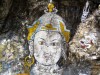
Bhutan_20.jpgBhutan - Buddhist Himalayan Kingdom (39)2282 viewsIn 2005 the Australian monk Ven S Dhammika was invited to the remote Himalayan kingdom of Bhutan and spent ten days visiting the countries monasteries, shrines and temples. We present some of the pictures he took while in this rarely visited land and hope you enjoy them.
|
|

IMG0009.jpgMonk in the Mountain Forest, Emei Shan, China2282 viewsSangha - Monks and Nuns in the Buddhist Community
|
|
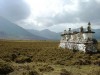
Bhutan_38.jpgBhutan - Buddhist Himalayan Kingdom (55) 2281 viewsIn 2005 the Australian monk Ven S Dhammika was invited to the remote Himalayan kingdom of Bhutan and spent ten days visiting the countries monasteries, shrines and temples. We present some of the pictures he took while in this rarely visited land and hope you enjoy them.
|
|

Track00_Intuitive_Awareness_22_Mar_2001_Ajahn_Sumedho.mp3Intuitive Awareness2280 views
|
|
Day09DhammaDisguises-10NewAgeMythsPart_2.MP3Dhamma Disguises: 10 New Age Myths (Part 2)2279 viewsDay Nine: Part 2: Dhamma Talk on Dhamma Disguises: 10 New Age Myths given at the 2009 10-day Vipassana Retreat at Bodhi Tree Forest Monastery, Australia.
|
|

Panca_Sila_Pali_Canon.pdfPanca Sila (The Five Precepts) in The Pali Canon2277 viewsIn some suttas only the first four precepts are mentioned, whereas all five precepts are described together in other suttas. The first four precepts are pakati-sila whereas the fifth precept is pannati-sila. Venerable Nyanatiloka explains in his Buddhist Dictionary that pakati-sila [is] natural or genuine morality, [which] is distinct from those outward rules of conduct laid down for either laymen or monks. Those latter are the so-called prescribed morality (pannatti-sila).
Suttas which include The Five Precepts are listed.
|
|
120801-LRR-32k-Prayers-The_Seven_Limbs-Mandarin.mp3The Seven Limb Prayer - Mandarin2266 viewsMandarin chanting by Ven. Sophia.
|
|
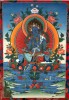
20_tara.jpgThe 21 Taras (20)2264 viewsThe 21 Taras [Tibetan style] (Tibetan, Sgrol-ma)
It was not until the adoption of the Yogachara system, taught by Asanga in the fourth century AD, that the feminine principle began to be venerated in Mahayana Buddhism. Around the sixth century, the goddess Tara was considered as a Sakti of Avalokitesvara (sometimes as his wife).
|
|
Day06Pain_MeditatorsBestFriendPart_1.MP3Pain: The Meditator's Best Friend (Part 1)2263 viewsDay Six: Part 1: Dhamma Talk on The Meditator's Best Friend given at the 2009 10-day Vipassana Retreat at Bodhi Tree Forest Monastery, Australia.
|
|
| 1212 files on 122 page(s) |
 |
|
|
57 | |
|
|
|






















 Social Bookmarks


