 Most viewed Most viewed |

jataka_tv1.pdfBuddhist Tales for Young & Old (Vol. 1)6550 viewsFifty stories from the Jataka Tales - Prince Goodspeaker. Interpreted by Ven. Kurunegoda Piyatissa, Maha Thera and told by Todd Anderson. The Jataka stories, over millennia, have been seminal to the development of many civilisations, the cultivation of moral conduct and good behaviour, the growth of a rich and varied literature in diverse parts of the world and the inspiration for paintings, sculpture and architecture of enduring aesthetic value. The Buddha himself used Jataka stories to explain concepts like karma and rebirth and to emphasize the importance of moral values.
|
|

ritual-bell.jpgRitual Bell6529 viewsTibetan Buddhist Art Work: Ritual Bell
|
|
01Practicing_Vipassana.pdfPracticing Vipassana Meditation6519 viewsMany people all over the world are now practicing the Buddhist meditation known as Vipassana or Insight Meditation. Western psychotherapies have taken it up as ‘mindfulness’ as well as ordinary people who have found it beneficial in coping with the stresses and strains of modern life. While many are increasingly taking time out to attend retreats in Vipassana meditation centres. So this series of text will take you the basic practice.
|
|
dfoot01.jpgBuddhapada016500 viewsTibetan Buddhist Art Work: Buddhapada01
|
|
wz-fish-lotus.jpgFish Lotus6489 viewsTibetan Buddhist Art Work: Fish Lotus
|
|

z-stupa03.jpgStupa026467 viewsTibetan Buddhist Art Work: Stupa02
|
|
4sublime_states.pdfThe Four Sublime States6463 viewsVen. Nyanaponika Thera
Four sublime states of mind have been taught by the Buddha: Loving-kindness (metta), Compassion (karuna), Sympathetic Joy (mudita), Equanimity (upekkha) These four attitudes are said to be excellent or sublime because they are the right or ideal way of conduct towards living beings They provide, in fact, the answer to all situations arising from social contact. They are the great removers of tension, the great peacemakers in social conflict, and the great healers of wounds suffered in the struggle of existence. They level social barriers, build harmonious communities, awaken slumbering magnanimity long forgotten, revive joy and hope long abandoned, and promote human brotherhood against the forces of egotism.
|
|
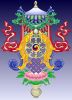
8_symbols_in_one.jpgEight Auspicious Symbols (Combined)6453 viewsEight Auspicious Symbols (Combined)
|
|
gawarens.pdfA Guide to Awareness6440 viewsThe Foundations of Mindfulness (Satipatthana Sutta). This is a series of twenty-two talks given at Wat Bovornives, Bangkok by H.H.Somdet Phra Sanasamvara, Supreme Patriarch of Thailand. The Four Foundations of Mindfulness is the Buddha's explanation of the practice of mindfulness meditation within the framework of four foundations of awareness: body, feelings, mind-states and the mental content. If you read this book, you will discover the truth of the 'knots' and problems that exist within you. In short, this can be described as the 'knot of suffering'. You may also then see the method to unravel and safeguard against this suffering.
|
|

02calming.mp3Calming the Body with the Breath6412 viewsCalming the body with the breath, describes a mindfulness of breath exercise coupled with relaxation. This is a basic Calm meditation practice and it generally helps to cultivate concentration, calm and relaxation.
|
|
| 1212 files on 122 page(s) |
 |
|
|
8 | |
|
|
|





















 Social Bookmarks


