 Most viewed - Image Library Most viewed - Image Library |
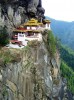
Bhutan003.jpgBhutan - Buddhist Himalayan Kingdom (12) 2807 viewsIn 2005 the Australian monk Ven S Dhammika was invited to the remote Himalayan kingdom of Bhutan and spent ten days visiting the countries monasteries, shrines and temples. We present some of the pictures he took while in this rarely visited land and hope you enjoy them.
|
|
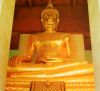
thai-buddha_07.jpg07 Thai Buddha Image2805 views07 Thai Buddha Image
|
|
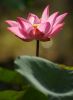
07pinklotus03.jpgPink Lotus 032797 viewsPink Lotus 03
|
|
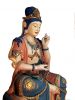
06guanyin2.jpgProfile of Quan Yin2794 viewsPortrait of Quan Yin (Godess of Mercy) in Profile
|
|

Amithaba004.jpgAmithabha Buddha042756 viewsAMITABHA: Buddha of Boundless Light of the Western Paradise
|
|
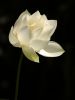
03white_lotus.jpgWhite Lotus 032750 viewsWhite Lotus 03
|
|
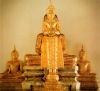
thai-buddha_06.jpg06 Thai Buddha Image2734 views06 Thai Buddha Image
|
|
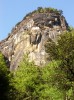
Bhutan002.jpgBhutan - Buddhist Himalayan Kingdom (11) 2722 viewsIn 2005 the Australian monk Ven S Dhammika was invited to the remote Himalayan kingdom of Bhutan and spent ten days visiting the countries monasteries, shrines and temples. We present some of the pictures he took while in this rarely visited land and hope you enjoy them.
|
|
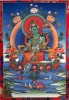
21_tara.jpgThe 21 Taras (21)2715 viewsThe 21 Taras [Tibetan style] (Tibetan, Sgrol-ma)
It was not until the adoption of the Yogachara system, taught by Asanga in the fourth century AD, that the feminine principle began to be venerated in Mahayana Buddhism. Around the sixth century, the goddess Tara was considered as a Sakti of Avalokitesvara (sometimes as his wife).
|
|
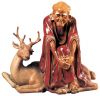
lohan01.jpgLohan: PINDOLA2708 viewsLegend has it that the first portraits of the 18 Lohans were painted by a Buddhist
monk Guan Xiu, in 891 A.D. Guan Xiu lived in Chengdu, the capital of a small
kingdom, the Former Shu, formed at the decline of the Tang Dynasty in what is
today's Sichuan Province. He was adept at the scholarly pursuits of painting,
calligraphy and poetry.
|
|
| 350 files on 35 page(s) |
 |
|
|
14 | |
|
|
|























 Social Bookmarks


