 Top rated - Tibetan Buddhist Thangkas Top rated - Tibetan Buddhist Thangkas |
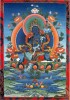
17_tara.jpgThe 21 Taras (17)2123 viewsThe 21 Taras [Tibetan style] (Tibetan, Sgrol-ma)
It was not until the adoption of the Yogachara system, taught by Asanga in the fourth century AD, that the feminine principle began to be venerated in Mahayana Buddhism. Around the sixth century, the goddess Tara was considered as a Sakti of Avalokitesvara (sometimes as his wife).
 
(7 votes)
|
|

8_symbols_in_one.jpgEight Auspicious Symbols (Combined)6208 viewsEight Auspicious Symbols (Combined)
(13 votes)
|
|

8_symbols.jpgThe Eight Auspicious Symbols7308 viewsThe Eight Auspicious Symbols
(20 votes)
|
|
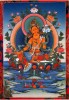
08_tara.jpgThe 21 Taras (08)2971 viewsThe 21 Taras [Tibetan style] (Tibetan, Sgrol-ma)
It was not until the adoption of the Yogachara system, taught by Asanga in the fourth century AD, that the feminine principle began to be venerated in Mahayana Buddhism. Around the sixth century, the goddess Tara was considered as a Sakti of Avalokitesvara (sometimes as his wife).
(6 votes)
|
|
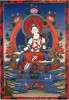
06_tara.jpgThe 21 Taras (06)3117 viewsThe 21 Taras [Tibetan style] (Tibetan, Sgrol-ma)
It was not until the adoption of the Yogachara system, taught by Asanga in the fourth century AD, that the feminine principle began to be venerated in Mahayana Buddhism. Around the sixth century, the goddess Tara was considered as a Sakti of Avalokitesvara (sometimes as his wife).
(5 votes)
|
|
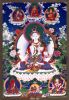
white_tara.jpgWhite Tara Thangka2683 viewsWhite Tara Thangka
(6 votes)
|
|
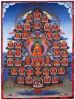
35_buddha02.jpg35 Buddhas Thangkas 23819 views35 Buddhas Thangkas 2
(7 votes)
|
|
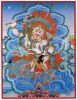
white_jambala.jpgWhite Jambala Thangka2419 viewsWhite Jambala Thangka
(2 votes)
|
|
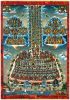
merit_field.jpgMerit Field Thangka3117 viewsMerit Field Thangka
(2 votes)
|
|
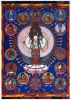
1000_arms_avalokiteshvara01.jpg1000 Arms Avalokiteshvara3871 views1000 Arms Avalokiteshvara
(7 votes)
|
|
| 37 files on 4 page(s) |
 |
3 |
|























 Social Bookmarks


